

Food Packaging Essentials
Protecting Products, Informing Consumers, and Reducing Environmental Impact
Introduction to Food Packaging
Food packaging serves as a critical barrier between products and the external environment. Beyond simply containing food, modern packaging performs numerous essential functions that ensure safety, extend shelf life, and provide vital information to consumers.
Well-designed packaging reduces food waste by up to 50% and prevents contamination that could lead to health issues. With growing environmental concerns, the packaging industry is transforming to balance protection with sustainability.
Key Functions of Food Packaging
Common Packaging Materials
Plastics
Lightweight, versatile, and cost-effective. Includes PET, HDPE, and PVC.
Glass
Impermeable, chemically inert, and 100% recyclable. Ideal for liquids.
Metal
Strong barrier properties. Aluminum and steel cans for preservation.
Paperboard
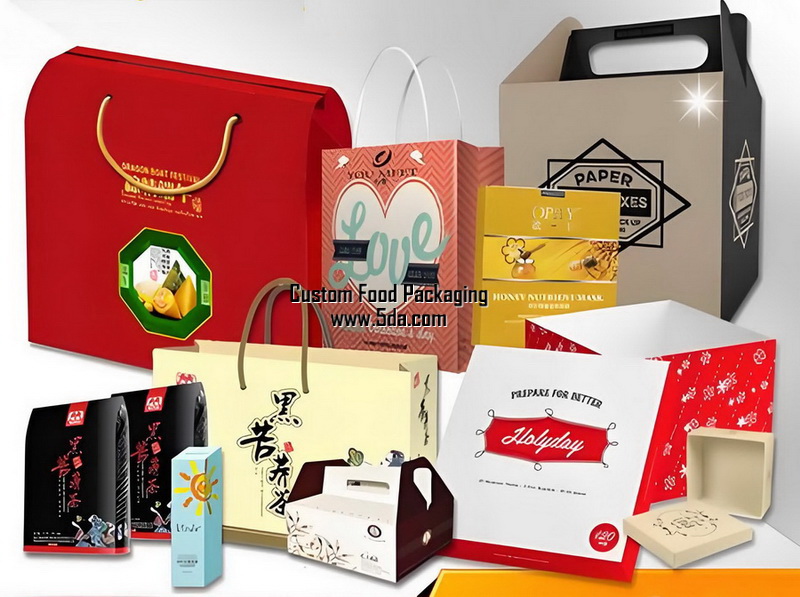
Renewable resource. Used for boxes, cartons, and labels.
Biodegradable
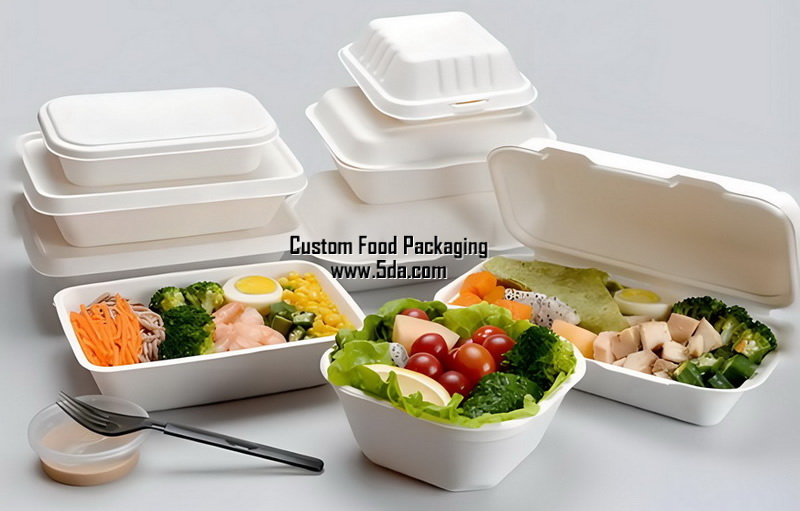
Plant-based materials like corn starch, mushroom, and seaweed packaging.
Modern Packaging Trends
Sustainable Solutions
Brands are shifting to recyclable, compostable, and reusable packaging. Lightweighting reduces material use while maintaining protection.
Smart Packaging
Innovations like time-temperature indicators, freshness sensors, and QR codes provide real-time product information to consumers.
Minimalist Design
Clean, simple packaging with reduced ink usage and clear recycling instructions appeals to eco-conscious consumers.
Balancing Protection and Sustainability
The packaging industry faces the challenge of maintaining food safety while reducing environmental impact. Life cycle assessments help evaluate the true environmental footprint of packaging options.
Recycling infrastructure improvements and consumer education are critical for sustainable packaging success. The circular economy model encourages designing packaging for multiple lifecycles through recycling and reuse.
 Food Packaging