

Analysis of Fruit Gift Boxes in the UK Market
h3>Current UK Market Realities for Fruit Gifting
Unlike China - where elaborate custom fruit gift boxes are deeply embedded in gifting culture - the UK market has distinct practices and preferences:
- Occasion-Specific Gifting: Britons primarily exchange gifts during holidays (Christmas, Easter) or personal milestones (birthdays, anniversaries). Fruit alone is rarely considered a "gift" unless premium or presented as part of a hamper (e.g., with wine, cheese, or chocolates) .
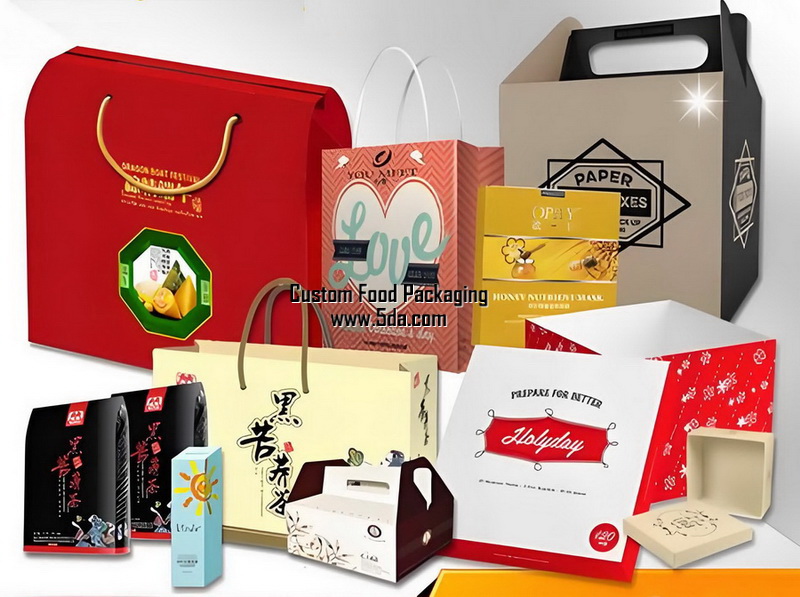
- Minimalist Packaging Preferences: While presentation matters - high-quality, elegant wrapping is valued - excessively ornate boxes are uncommon. UK gift etiquette emphasizes practicality and subtlety over ostentation :cite[10]. For fruit, supermarkets typically use simple trays or punnets with minimal branding.
- Sustainability as Non-Negotiable: The UK enforces strict packaging regulations (e.g., Plastic Packaging Tax since 2022). Consumers demand eco-friendly materials, with 52% willing to pay more for sustainable packaging . Plastic-free solutions (e.g., Kelpi's seaweed-based packaging) are gaining traction .
- Fruit Gifting Nuances: Whole fruit is seldom gifted formally. Exceptions include Christmas citrus or luxury items like exotic mangoes. "Giftable" fruit products are typically fresh-cut convenience packs (e.g., pineapple chunks, melon slices) targeting busy professionals .
Growth Potential for Fruit Gift Boxes in the UK
Despite cultural differences, several trends support niche opportunities:
- Premium & Ethical Consumption: Demand for high-quality, ethically sourced food (e.g., organic, Fairtrade) is rising. Luxury fruit (e.g., Japanese melons, rare berries) could justify premium packaging .
- Subscription Box Boom: The UK subscription box market (worth £1.8 billion) shows strong demand for curated food experiences. Food is the #1 category (37% share), indicating receptiveness to regular deliveries of premium/novel fruits .
- Health & Convenience Focus: Post-pandemic wellness trends boost fruit consumption. Ready-to-eat, artfully presented cuts appeal to health-conscious urbanites .
- Corporate Gifting Evolution: Businesses seek sustainable alternatives to traditional gifts (e.g., wine bottles). Ethical fruit boxes could fill this gap for employee/client gifting :cite[10].
Design & Format Recommendations
Success requires adapting to UK sensibilities:
| Feature | Recommendation | Rationale |
|---|---|---|
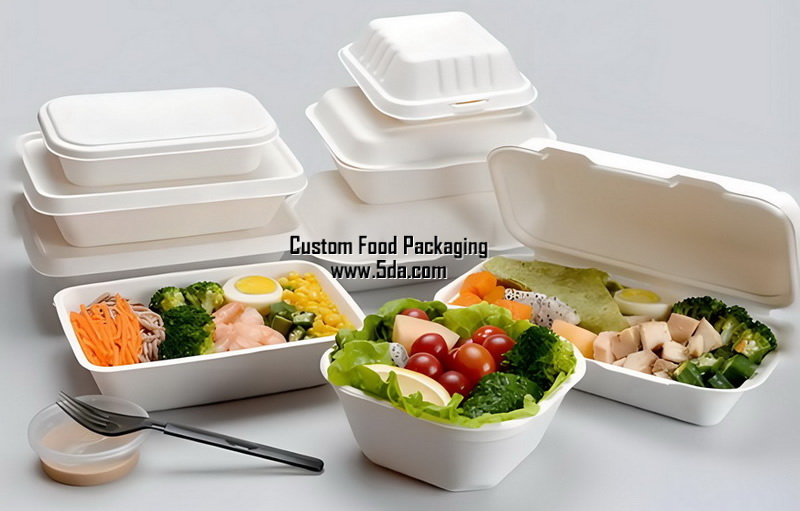
| Material | 100% recyclable/compostable materials (e.g., molded pulp, cardboard with plant-based coatings like Kelpi's seaweed polymer ). Avoid plastic laminates. | Aligns with PPT regulations and consumer expectations; 39% of UK consumers pay a 5% premium for sustainable packaging . |
| Design Aesthetic | Clean, minimalist lines; nature-inspired colours (greens, browns); subtle embossing or recycled paper textures. Include tasteful branding. | Reflects British preference for understated elegance over flamboyance :cite[10]. |
| Size & Contents |
| Caters to diverse occasions while minimizing food waste - critical for eco-conscious buyers . |
| Functionality | Integrated handles, easy-open lids, compartments to prevent bruising, and resealability for freshness. | Enhances convenience and product protection; aligns with "grab-and-go" lifestyles . |
Strategic Recommendations for Market Entry
- Target Key Occasions: Launch with Christmas/holiday hampers and corporate gifting programs - established contexts for premium food boxes .
- Position as Premium & Ethical: Emphasize provenance (e.g., "British Seasonal" or "Tropical Rare"), organic/Fairtrade certification, and carbon-neutral delivery.
- Leverage Subscription Models: Offer weekly/monthly curated fruit boxes via platforms like Degustabox or self-branded subscriptions .
- Partner with Retailers: Collaborate with upscale supermarkets (Waitrose, M&S) or eco-stores (Planet Organic) for shelf space. Highlight innovations like Kelpi's biodegradable packaging .
- Educate Consumers: Market fruit boxes as "guilt-free indulgence" combining health, sustainability, and convenience - distinct from traditional sugary gifts.
Conclusion
While traditional Chinese-style elaborate fruit boxes face adoption challenges in the UK, a significant opportunity exists for reimagined, sustainable, and occasion-driven fruit gifting solutions. Success hinges on prioritizing eco-design, aligning with subscription culture, and targeting specific niches (corporate, luxury, convenience). Early movers combining premium quality with verifiable sustainability will capture this emerging segment.
 Food Packaging