

Paper Bags or Non Woven Bags,Which Is the Trend for Takeaway Bags
As global food-delivery volumes keep expanding, restaurants and delivery platforms are constantly searching for eco-friendly alternatives to single-use plastic bags. The competition between paper bags and non-woven bags has become a core topic in the takeaway packaging sector, yet there is no one-size-fits-all winner. Market trends show that disposable coated paper bags will dominate general daily takeaway orders, while non-woven bags serve as a segmented option focused on reusable and thermal-insulation scenarios.
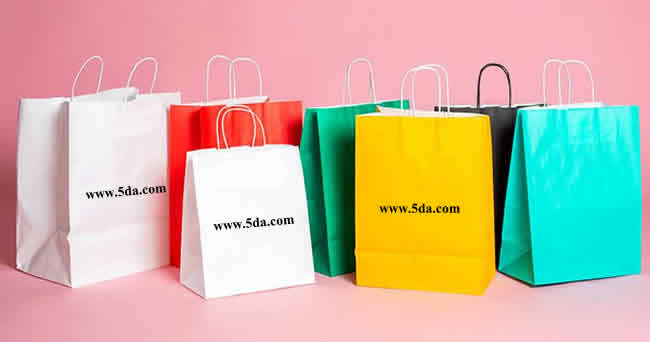
Paper takeaway bags, especially grease-proof and water-resistant kraft paper variants, enjoy clear regulatory and recycling advantages. Made from plant-based fiber, they can biodegrade under proper conditions and fit most waste-sorting systems across regions. Modern coated-paper technology fixes traditional weaknesses such as water penetration and oil leakage, making them safe for hot meals, soups and multi-item food sets. Printing performance is excellent for brand logos, promotional slogans and custom patterns, which helps quick-service restaurants strengthen brand exposure during delivery. Compared with non-woven products, disposable paper bags have lower unit costs for mass orders, matching the high-volume, one-time-use feature of ordinary food-delivery business. Their market keeps growing driven by plastic-ban policies worldwide.
Nevertheless, paper bags still have limits. Heavy rain, spilled soup or long-distance damp transportation may weaken structural strength. Extra barrier coatings raise production expenses, and large-scale paper manufacturing consumes forest resources, pushing brands to prefer FSC-certified recycled-paper grades for lower carbon footprints.
Non-woven bags, mostly polypropylene-based, feature solid tear resistance and natural water repellency. When used repeatedly many times, they spread out their carbon cost and deliver decent environmental value. Laminated non-woven versions can add aluminium foil layers for heat preservation, ideal for hot pot, barbecue and long-time delivery tasks where temperature retention matters. However, most regular PP non-woven material cannot biodegrade naturally. If treated as single-use throwaway bags, their full-life-cycle carbon footprint may exceed that of paper bags, and mixed-layer laminated non-woven bags create big troubles for waste recycling facilities. Many regional green-packaging guidelines suggest avoiding disposable non-woven bags when thermal insulation is unnecessary. Their higher unit price also restricts large-scale application for low-margin mass takeaway orders.
Looking ahead, the industry will follow a differentiated roadmap. General-scenario takeaway will lean toward improved barrier-function paper bags, which balance compliance, cost and consumer experience. Non-woven bags will retreat from pure disposable use and concentrate on reusable circulation packaging, premium catering and thermal-demanding delivery. No material completely outperforms the other. Wise suppliers and restaurant operators select solutions according to menu types, delivery conditions, local environmental rules and budget, instead of blindly picking only one material for all cases.
Paper takeaway bags, especially grease-proof and water-resistant kraft paper variants, enjoy clear regulatory and recycling advantages. Made from plant-based fiber, they can biodegrade under proper conditions and fit most waste-sorting systems across regions. Modern coated-paper technology fixes traditional weaknesses such as water penetration and oil leakage, making them safe for hot meals, soups and multi-item food sets. Printing performance is excellent for brand logos, promotional slogans and custom patterns, which helps quick-service restaurants strengthen brand exposure during delivery. Compared with non-woven products, disposable paper bags have lower unit costs for mass orders, matching the high-volume, one-time-use feature of ordinary food-delivery business. Their market keeps growing driven by plastic-ban policies worldwide.
Nevertheless, paper bags still have limits. Heavy rain, spilled soup or long-distance damp transportation may weaken structural strength. Extra barrier coatings raise production expenses, and large-scale paper manufacturing consumes forest resources, pushing brands to prefer FSC-certified recycled-paper grades for lower carbon footprints.
Non-woven bags, mostly polypropylene-based, feature solid tear resistance and natural water repellency. When used repeatedly many times, they spread out their carbon cost and deliver decent environmental value. Laminated non-woven versions can add aluminium foil layers for heat preservation, ideal for hot pot, barbecue and long-time delivery tasks where temperature retention matters. However, most regular PP non-woven material cannot biodegrade naturally. If treated as single-use throwaway bags, their full-life-cycle carbon footprint may exceed that of paper bags, and mixed-layer laminated non-woven bags create big troubles for waste recycling facilities. Many regional green-packaging guidelines suggest avoiding disposable non-woven bags when thermal insulation is unnecessary. Their higher unit price also restricts large-scale application for low-margin mass takeaway orders.
Looking ahead, the industry will follow a differentiated roadmap. General-scenario takeaway will lean toward improved barrier-function paper bags, which balance compliance, cost and consumer experience. Non-woven bags will retreat from pure disposable use and concentrate on reusable circulation packaging, premium catering and thermal-demanding delivery. No material completely outperforms the other. Wise suppliers and restaurant operators select solutions according to menu types, delivery conditions, local environmental rules and budget, instead of blindly picking only one material for all cases.