

Pros and Cons of Paper Bags and Non Woven Bags for Takeaway
Paper Bags
Advantages
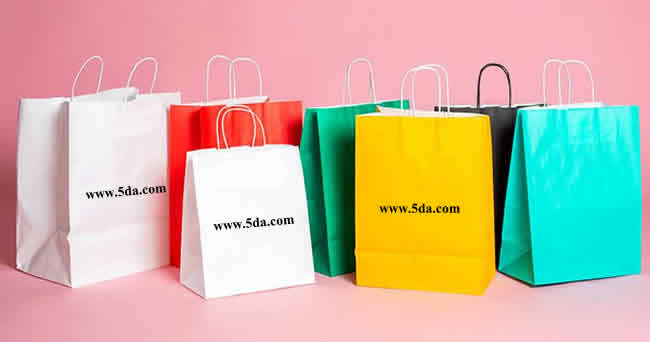
1,Policy‑friendly & recyclable: Made from plant‑based pulp, paper bags align with global plastic‑restriction regulations. FSC‑certified recycled paper options support circular waste‑sorting systems and deliver a strong eco‑friendly brand image for food merchants.2,Superior printing performance: Surfaces adapt well to brand logos, menus and marketing graphics. Clear colour reproduction helps restaurants gain free brand exposure during delivery hand‑offs.
3,Fit for mass‑volume takeaway: Disposable kraft paper bags have competitive unit costs for high‑order‑volume scenarios. Modern oil‑proof and water‑resistant coatings handle regular hot meals, snacks and beverage combinations.
4,Better consumer acceptance: Most consumers regard paper as an intuitive green substitute for plastic bags, improving perceived product value.
Disadvantages
1,Poor moisture resistance: Heavy rain, soup spillage or long‑distance damp delivery easily softens paper structures, causing tearing or bottom leakage. Extra barrier coatings increase production costs.2,Resource consumption: Mass paper production consumes timber resources. Thin uncoated paper cannot resist grease, limiting its use for oily food without special treatment.
3,Weight‑bearing limits: Paper bags struggle with overly heavy food sets. Reinforced‑bottom designs raise unit prices and narrow profit margins for low‑price takeaway orders.
Non‑Woven Bags
Advantages
1,High mechanical durability: PP non‑woven material resists tearing and punctures. It repels ordinary water and oil without complicated surface treatment, performing stably in wet weather delivery.2,Reusable potential: If kept intact, non‑woven bags can be reused multiple times. Laminated styles with aluminium foil add heat‑insulation functions, perfectly fitting hot‑pot, barbecue and long‑time temperature‑sensitive takeaway.
3,Great loading capacity: Thickened non‑woven versions bear heavy combined orders, reducing bag breakage complaints during last‑mile transport.
Disadvantages
1,Biodegradation and recycling drawbacks: Conventional polypropylene non‑woven fabric does not biodegrade naturally. Laminated composite non‑woven bags are hard to separate and recycle. Thrown away after one‑time use, they create heavy environmental burdens similar to plastic bags.2,Higher cost barrier: Unit prices sit well above disposable paper bags. For large‑quantity daily takeaway, extra packaging costs squeeze restaurant profit margins.
3,Printing restrictions: Non‑woven surfaces produce less delicate printing effects compared with paper. Fine patterns often require extra lamination processes, further lifting overall expenses.
In practical takeaway operations, paper bags dominate ordinary disposable delivery. Non‑woven bags work best for reusable circulation packaging or premium insulated catering, rather than general single‑use scenarios. Merchants should pick materials based on food types, delivery environments, local environmental policies and cost budgets.